TAVI / TAVR Valve Replacement in Ahmedabad
Interventions

TAVI / TAVR Valve Replacement in Ahmedabad

Understand TAVI/TAVR in Ahmedabad - transcatheter aortic valve replacement without open-heart surgery. Performed by Dr. Kulin Sheth at Apollo CVHF Hospital, Bodakdev.

TAVI / TAVR Valve Replacement in Ahmedabad

Aortic Stenosis or narrowing of Aortic Valve

The aortic valve opens to let blood leave the heart and reach the body. When it becomes stiff and narrow, the heart must work harder. This is called aortic stenosis.

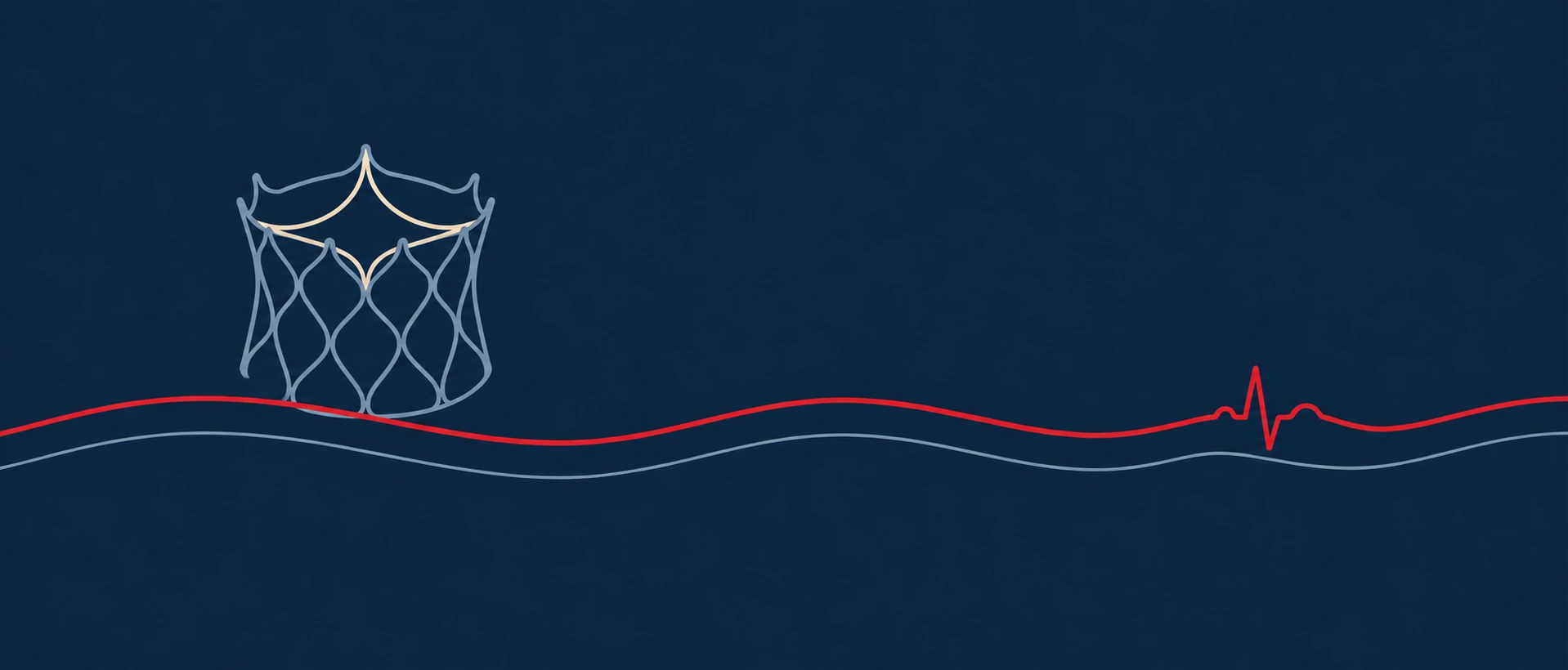
Transcatheter aortic valve implantation (TAVI), also called transcatheter aortic valve replacement (TAVR), places a new valve inside the narrowed valve through a thin tube called a catheter. The usual route is through an artery in the groin, without opening the chest. Both names describe the same treatment.

  • Your team: Dr. Kulin Sheth participates directly alongside dedicated TAVI specialists at Apollo CVHF Hospital, Bodakdev, Ahmedabad. Senior cardiovascular and thoracic surgeons help assess suitability and guide treatment decisions.
  • Clinic care: Consultations and follow-up with Dr. Kulin take place at Sheth Heart Clinic, Bopal.


Why might a narrowed aortic valve need replacing?

  • Why it happens: Calcium commonly builds up on the valve with age. A valve formed differently from birth can narrow earlier.
  • What you may notice: Breathlessness, reduced walking capacity, chest discomfort, dizziness or fainting. These symptoms can be mistaken for ageing.
  • Why treatment matters: Severe narrowing can damage the heart and cause heart failure.
  • What medicines can do: They help associated problems but cannot reopen a fixed, severely narrowed valve.
  • When replacement is considered: Usually when narrowing is severe and causes symptoms or affects heart function. Selected patients benefit before obvious symptoms appear.
  • When monitoring is appropriate: Mild or moderate narrowing usually needs follow-up rather than immediate replacement.

An echocardiogram (echo) is an ultrasound scan of the heart. Its findings are considered alongside symptoms and examination. The heart valve disease page explains narrowing and leakage in other valves too.

What is TAVI/?TAVR? Is TAVI surgery or not?

“Sir, yeh operation hai kya?”

TAVI is a catheter-based heart procedure rather than open-heart valve surgery.

  • With the usual groin approach, the chest is not opened and a heart-lung machine is generally unnecessary.
  • It remains a major procedure requiring hospital admission, anaesthesia, monitoring and a team prepared to manage complications.
  • The replacement is a tissue valve, made from biological tissue supported by a frame. It opens and closes within the old valve, which is usually left in place.

Could TAVI/TAVR be suitable for me?

TAVI mainly treats severe aortic stenosis. It does not suit every patient or treat every valve problem, including disease of the mitral or tricuspid valves.

The heart team discusses the following with you and your family:

  • Valve and heart: Severity, symptoms, heart function, valve shape and calcium deposits.
  • Access: Whether the arteries can safely accommodate the catheter.
  • General health: Age, mobility, frailty, kidney and lung function, and recovery needs.
  • Other treatment: Whether bypass surgery, another valve procedure or surgery on the aorta is also needed.
  • Long-term plan: Expected benefit, valve durability, possible future procedures and your preferences.

Important exceptions:

  • TAVI may suit selected patients with low surgical risk; it is not reserved only for those unable to have surgery.
  • Older age or frailty does not automatically make TAVI appropriate. Supportive treatment may be preferable if other illnesses severely limit likely benefit.
  • A valve with two leaflets instead of three, a mainly leaking aortic valve or a failing replacement tissue valve needs a separate suitability assessment.

TAVI or surgical valve replacement?

Both can treat severe aortic stenosis. The choice depends on your heart, health and future treatment needs.

QuestionTAVI / TAVRSurgical aortic valve replacement
How is the valve reached?Usually through the groin artery, without opening the chest.Through a chest incision; a smaller incision may suit some patients.
Is the old valve removed?Usually left in place, with the new valve inside it.Removed and replaced.
Which valve is used?A tissue valve on a frame.A tissue or artificial mechanical valve.
What is recovery like?Often shorter hospital stay and earlier activity if uncomplicated.Usually longer, including chest-incision healing.
Can other problems be treated together?Does not itself treat coronary blockages or other valves.Can combine valve replacement with bypass, other valve or aortic surgery.
What affects future care?Durability, access to coronary arteries and options for another valve procedure.Valve type, durability, medicines and future treatment options.

Other options include:

  • Monitoring: When replacement is not yet indicated.
  • Balloon treatment: Sometimes stretches the narrowed valve as a temporary bridge; usually less lasting than replacement.
  • Supportive care: When replacement is unlikely to provide meaningful benefit.

What assessment is needed before TAVI?

  • Echo: Assesses narrowing and heart function.
  • Computed tomography (CT): Detailed X-ray images measure the valve opening, surrounding structures and access arteries to plan treatment.
  • Blood tests: Check kidney function, blood count and other relevant factors.
  • Coronary assessment: Coronary angiography or an appropriate CT assessment may identify artery blockages that affect the plan. Testing does not automatically mean a stent is needed.

Bring existing echo reports and recordings, scans, angiography images, discharge summaries and your medicine list. These are reviewed before deciding what needs repeating.


What happens during the procedure TAVI/TAVR?

  1. A catheter is guided, usually from the groin artery, to the narrowed valve.
  2. A compressed tissue valve is delivered, positioned inside the old valve and expanded.
  3. Imaging and pressure measurements check its position and function before the catheter is removed.

The Apollo CVHF team has experience with both:

  • Balloon-expandable valves: Opened using a balloon.
  • Self-expanding valves: Their frame expands as it is released.

Selection depends on anatomy and the treatment plan; neither design is best for everyone.

Anaesthesia and preparation:

  • Some patients have local anaesthesia to numb the access area, plus sedation to help them relax. Others are asleep under general anaesthesia.
  • Temporary pacing may support the heartbeat during treatment. This does not automatically mean a permanent pacemaker is needed.
  • Follow your team's instructions about fasting and medicines. Do not stop blood thinners or change diabetes medicines on your own.
  • General advice on preparing for procedures supplements your individual instructions.

What are the benefits and important risks?

Potential benefits in suitable patients:

  • Easier breathing, better walking capacity and improved quality of life.
  • Improved survival when severe narrowing warrants replacement.
  • Often quicker recovery than open-heart surgery.

Other heart, lung or general health problems may limit improvement.

Important risks:

  • Bleeding or injury to the access artery.
  • Stroke or kidney injury.
  • Leakage around the new valve.
  • Electrical conduction problems requiring a pacemaker.
  • Valve infection or death.
  • Rare complications requiring emergency surgery.

Your team explains your individual risk compared with surgery and leaving the valve untreated.

Will I need a pacemaker after TAVI?

Some patients need one; it is not routine for everyone.

  • The valve sits close to the heart's electrical pathways. Pressure from the new valve can slow or interrupt the heartbeat.
  • An electrocardiogram (ECG) records electrical activity before treatment and helps assess risk. Anatomy, valve type and position also matter.
  • Rhythm is monitored afterwards. Some changes settle; persistent or significant heart block may need a permanent pacemaker.
  • Problems can occasionally appear after discharge, so additional rhythm monitoring may be advised.


Recovery and life after TAVI

  • Before discharge: The team checks rhythm, valve and kidney function, and the groin access site. Many patients walk early; discharge depends on stability, mobility, healing and support at home.
  • At home: Increase walking and daily activities gradually. Obtain individual advice about lifting, driving, travel and work.
  • Rehabilitation: A supervised cardiac rehabilitation programme may help rebuild stamina and confidence.
  • Follow-up: Attend symptom and medicine reviews and repeat echoes, even when feeling well.
  • Dental care: Maintain good dental hygiene and tell your dentist about the valve. Antibiotics are recommended before certain dental procedures; your team will explain when.

Further practical advice is available under recovery and follow-up.

When to seek help:

  • Emergency care: Severe new breathlessness, persistent chest pain, fainting, significant bleeding, or sudden facial drooping, arm weakness or difficulty speaking.
  • Prompt assessment: New dizziness or a very slow pulse after discharge, or unexplained fever that could indicate infection.


How long is the replacement valve expected to last after TAVI/TAVR?

  • It is designed for long-term use, but tissue valves can deteriorate.
  • Ten-year studies in selected patients provide encouraging evidence; they do not establish a guaranteed lifespan for every valve.
  • Age, valve characteristics and health affect planning, particularly for younger patients who may outlive the valve.
  • If it deteriorates, another catheter valve or surgery may be considered. Neither is automatically feasible.
  • Regular echo follow-up helps detect changes and plan further care.

  • Will I need blood thinners for life?

    TAVI does not itself require lifelong anticoagulation, unlike a mechanical valve. Long-term clot-prevention medicine may still be needed.

    Medicine groupWhat it doesAfter TAVI
    Antiplatelets, such as aspirin or clopidogrelMake blood platelets less likely to stick together and form clots.Many patients receive one antiplatelet, commonly aspirin; long-term treatment may be advised.
    Anticoagulants, such as warfarin or apixabanReduce clotting through a different mechanism.May be needed long term for another condition, such as atrial fibrillation, an irregular rhythm that increases stroke risk.
    • Recent coronary stents can change the choice and duration of medicines.
    • Your plan balances clotting and bleeding risks, with clear instructions before discharge.
    • Do not stop or combine these medicines without advice.


    A second opinion on your valve treatment

    A second opinion can help clarify:

    • Whether replacement is needed now.
    • Why TAVI or surgery is recommended for your anatomy and health.
    • What symptoms are likely to improve, and the relevant risks.
    • How today's choice affects future valve treatment.

    Dr. Kulin personally reviews existing reports and images before deciding whether more assessment or wider heart-team review is needed.

    Arrange a cardiology consultation at Sheth Heart Clinic, Bopal. Chest pain, fainting or severe breathlessness needs urgent assessment rather than waiting for a routine second opinion.


    Frequently asked questions

    • Are TAVI and TAVR different?
      No. They are two names for the same catheter-based aortic valve replacement.

    • Can I need replacement even if I feel reasonably well?
      Yes, in selected circumstances. Reduced activity can hide symptoms, and heart function may change before obvious difficulties develop. Severe narrowing needs specialist review.
    • Can TAVI treat a replacement valve that has worn out?
      Sometimes, if it is a tissue valve. Its size, the reason for failure and surrounding anatomy determine suitability. This does not apply to mechanical valves in the same way.
    • Will I be awake during TAVI/TAVR?
      You may be awake but relaxed, or asleep under general anaesthesia. Your anaesthesia team discusses the appropriate approach beforehand.
    • What if I also have coronary blockages?
      The team considers medicines, angioplasty or bypass as appropriate. A need for bypass or other heart surgery may favour surgical valve replacement.
    • Who will look after me?
      Dr. Kulin, dedicated TAVI specialists, senior cardiovascular and thoracic surgeons, and the anaesthesia and nursing teams at Apollo CVHF share your care. You and your family participate in decisions.
    Google Reviews

    Read what our patients say about us

    Discuss the right next step for your aortic valve

    Bring your echo and existing heart reports to discuss whether valve replacement is needed, whether TAVI could suit you, and how it compares with surgery.

    Medically reviewed by Dr. Kulin Sheth, MD, DrNB Cardiology · Last reviewed October 2026